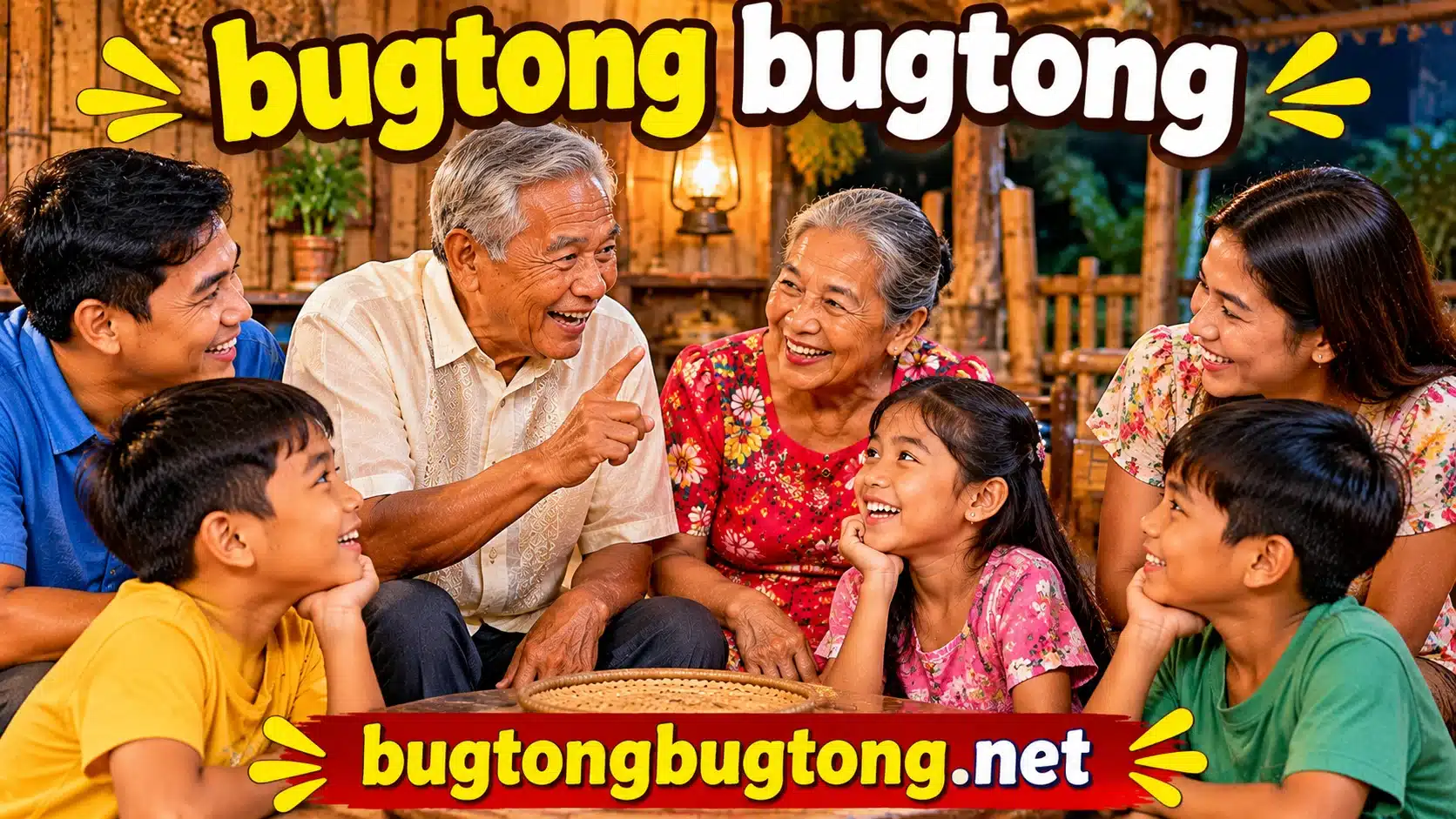
Bugtong bugtong is one of the most loved parts of Filipino culture. It is simple, fun, and full of creativity. A bugtong is a riddle that gives clues about an object, person, animal, or idea. The listener must think carefully and guess the correct answer. While the clues may seem confusing at first, the answer often makes perfect sense once it is revealed.
For many generations, Filipinos have enjoyed bugtong bugtong during family gatherings, school activities, and community events. These riddles are more than just games. They help people think, learn, and connect with others. They also keep cultural traditions alive.
Today, bugtong bugtong continues to entertain children and adults alike. Whether shared at home, in the classroom, or online, these clever riddles remain an important part of Filipino life.
What Is Bugtong Bugtong?
A bugtong is a traditional Filipino riddle. It uses short and creative descriptions to hide an answer. The goal is to solve the mystery by studying the clues.
Most bugtong bugtong examples are brief. They use everyday objects and compare them to something unexpected. This makes the listener think beyond the obvious.
For example:
Bugtong:
Dalawang balon, hindi malingon.
Sagot:
Mata
The answer is “eyes” because they look forward and cannot directly look at each other.
Another example is:
Bugtong:
Isang prinsesa, nakaupo sa tasa.
Sagot:
Kasoy
The shape of the cashew fruit inspired this riddle.
These examples show how bugtong bugtong turns ordinary things into playful puzzles.
The Origins of Bugtong Bugtong
Before smartphones, television, and social media, people found entertainment in different ways. One of those ways was through storytelling and riddles.
Bugtong bugtong became popular because it required no equipment. Families could enjoy it anywhere. Parents shared riddles with their children. Grandparents taught riddles that they learned when they were young.
For many years, these riddles passed from one generation to another through conversation rather than books. Because of this, bugtong bugtong became deeply connected to Filipino traditions.
Many old riddles focused on things people saw every day, including:
- Rice fields
- Trees
- Animals
- Fruits
- Household items
- Farming tools
These familiar subjects made the riddles meaningful and easy to remember.
Why People Enjoy Bugtong Bugtong
There are many reasons that bugtong bugtong remains popular today.
It Makes Learning Fun
Children often learn best through games. Riddles encourage kids to think while having fun at the same time.
Instead of memorizing facts, they practice solving problems.
It Encourages Creative Thinking
A bugtong rarely gives direct clues. People must look at things differently to discover the answer.
This process develops imagination and creativity.
It Brings Families Together
Many Filipino families enjoy asking riddles during meals, holidays, and reunions.
A simple riddle can start conversations and create laughter.
It Is Easy for Everyone
Anyone can join a bugtong game. Age does not matter. Young children can guess simple riddles, while adults can tackle more challenging ones.
Because of this, bugtong bugtong is an activity that the whole family can enjoy together.
Popular Examples of Bugtong Bugtong
Traditional riddles remain favorites among many Filipinos.
Example 1
Bugtong:
Hindi hari, hindi pari, nakasuot ng sari-sari.
Sagot:
Repolyo
The layers of cabbage resemble many pieces of clothing.
Example 2
Bugtong:
Baston ni Kapitan, hindi mahawakan.
Sagot:
Ahas
The snake appears like a stick but cannot be safely handled.
Example 3
Bugtong:
May puno walang bunga, may dahon walang sanga.
Sagot:
Aklat
A book has pages that resemble leaves but not branches.
Example 4
Bugtong:
Munting prinsesa, punong puno ng mata.
Sagot:
Pinya
The spots on a pineapple look like many eyes.
Example 5
Bugtong:
May leeg ngunit walang ulo.
Sagot:
Bote
A bottle has a neck but no head.
These riddles remain common because they are clever and easy to understand.
Bugtong Bugtong for Children
Kids love bugtong bugtong because solving riddles feels like a challenge.
Simple riddles can help children improve language skills and develop confidence.
Here are some examples:
Example 1
Bugtong:
May ngipin ngunit hindi kumakain.
Sagot:
Suklay
Example 2
Bugtong:
May paa ngunit hindi naglalakad.
Sagot:
Mesa
Example 3
Bugtong:
Lumilipad kahit walang pakpak.
Sagot:
Saranggola
Example 4
Bugtong:
Umiiyak ngunit walang mata.
Sagot:
Kandila
Example 5
Bugtong:
Bumubuka ngunit hindi bibig.
Sagot:
Payong
These riddles are simple enough for young learners while still making them think.
Educational Benefits of Bugtong Bugtong
Many teachers use bugtong bugtong in the classroom. They know riddles offer more than entertainment.

Improves Vocabulary
Bugtong introduces new words and expressions.
Students learn meanings through context rather than memorization alone.
Strengthens Reading Skills
Children must carefully read or listen to clues.
This improves comprehension and attention to detail.
Develops Critical Thinking
Every riddle requires analysis.
Students compare clues, eliminate wrong answers, and search for the best solution.
Encourages Participation
Even quiet students often enjoy guessing answers.
Riddles make learning feel less formal and more exciting.
Builds Memory
Remembering riddles and their answers helps exercise the brain.
Over time, students become better at recalling information.
The Role of Bugtong Bugtong in Filipino Culture
Bugtong bugtong is more than a game. It represents an important cultural tradition.
Many riddles reflect Filipino life, values, and experiences. They describe nature, farming, family life, and everyday objects. Through these descriptions, people learn about the habits and lifestyles of earlier generations.
Cultural traditions survive because people continue to practice them. Every time someone tells a bugtong, they help keep Filipino heritage alive.
That is why schools and cultural organizations often include bugtong bugtong in educational programs and celebrations.
How to Create Your Own Bugtong Bugtong
Making a riddle can be just as enjoyable as solving one.
You can create your own bugtong by following a few simple steps.
Choose an Object
Select something familiar.
Examples include:
- Pencil
- Phone
- Chair
- Mango
- Fan
Observe Its Features
Think about the object’s shape, color, and use.
Ask questions such as:
- What makes it unique?
- How does it move?
- What does it look like?
Use Imagination
Compare the object to something unexpected.
For example:
A pencil is long, thin, and sharpened.
You could create:
Bugtong:
Payat na sundalo, sugatan ang ulo.
Sagot:
Lapis
Keep It Short
Most traditional bugtong bugtong examples are short and direct.
Simple clues are easier to remember and share.
Bugtong Bugtong in Modern Times
Technology has changed how people communicate, but bugtong bugtong has adapted.
Today, riddles appear on:
- YouTube
- TikTok
- Educational websites
- Mobile applications
Content creators often post daily riddles to challenge followers. People leave answers in the comments and compete to solve them first.
Teachers also use digital platforms to introduce bugtong bugtong during online lessons.
This proves that old traditions can remain relevant in modern society.
Why Riddles Improve Brain Power
Experts often encourage activities that challenge the mind. Bugtong bugtong is one simple way to do this.
When solving a riddle, the brain performs several tasks at once.
It:
- Processes language
- Analyzes clues
- Creates mental images
- Searches memory
- Evaluates possibilities
This mental exercise can help improve thinking skills over time.
While riddles are enjoyable, they also provide valuable brain training.
Family Bonding Through Bugtong Bugtong
Many people remember hearing riddles from their grandparents. For some families, bugtong sessions were a regular evening activity.
These moments created strong memories.
Families still use bugtong bugtong to connect with one another because it encourages conversation.
Parents can challenge their children.
Children can challenge their parents.
Grandparents can share traditional riddles they learned decades ago.
The activity costs nothing but often leads to lots of laughter and excitement.
In a world where many people spend hours looking at screens, bugtong bugtong offers a simple way to interact face to face.
Tips for Solving Difficult Riddles
Some bugtong bugtong examples can be tricky.
Here are a few helpful tips.
Listen to Every Word
Small details often contain important clues.
Missing one word could lead to the wrong answer.
Think Symbolically
Riddles rarely describe things directly.
Try to understand the image behind the words.
Imagine the Clue
Create a picture in your mind.
Visualizing the description often helps reveal the answer.
Stay Patient
Not every riddle is solved immediately.
Sometimes you need extra time to connect the clues.
Practice Regularly
The more riddles you hear, the easier they become.
Experience helps you recognize common patterns.
Funny Bugtong Bugtong Examples
Many riddles are designed to make people smile.
Example 1
Bugtong:
May korona ngunit hindi hari.
Sagot:
Pinya
Example 2
Bugtong:
May kamay ngunit hindi tao.
Sagot:
Orasan
Example 3
Bugtong:
May pakpak ngunit hindi ibon.
Sagot:
Bentilador
Example 4
Bugtong:
Humahaba kapag ginagamit.
Sagot:
Lapis
Example 5
Bugtong:
Maliit pa si Nene, marunong nang manahi.
Sagot:
Karayom
These examples show how humor and creativity work together in bugtong bugtong.
Why Bugtong Bugtong Still Matters
Some traditional games disappear as society changes. Bugtong bugtong has survived because it offers timeless benefits.
It is:
- Fun
- Educational
- Creative
- Social
- Cultural
People of all ages can enjoy it. Children develop important thinking skills. Adults enjoy the challenge. Families create meaningful memories.
Most importantly, bugtong bugtong helps preserve a valuable part of Filipino identity.
Conclusion
Bugtong bugtong remains one of the most treasured traditions in Filipino culture. These short and clever riddles bring together entertainment, education, and cultural heritage in a simple format that anyone can enjoy.
From ancient villages to modern social media platforms, bugtong bugtong continues to capture people’s attention. It encourages creative thinking, strengthens language skills, and brings families and friends closer together.
Whether you are sharing riddles at home, learning them in school, or discovering them online, bugtong bugtong offers a unique mixture of fun and learning. The next time you hear a riddle, take a moment to think carefully. The answer might be hiding in plain sight.
As long as people continue telling and solving riddles, the tradition of bugtong bugtong will remain alive for future generations. It is a small game with a big impact, and that is exactly why people still love it today.